Table of Contents
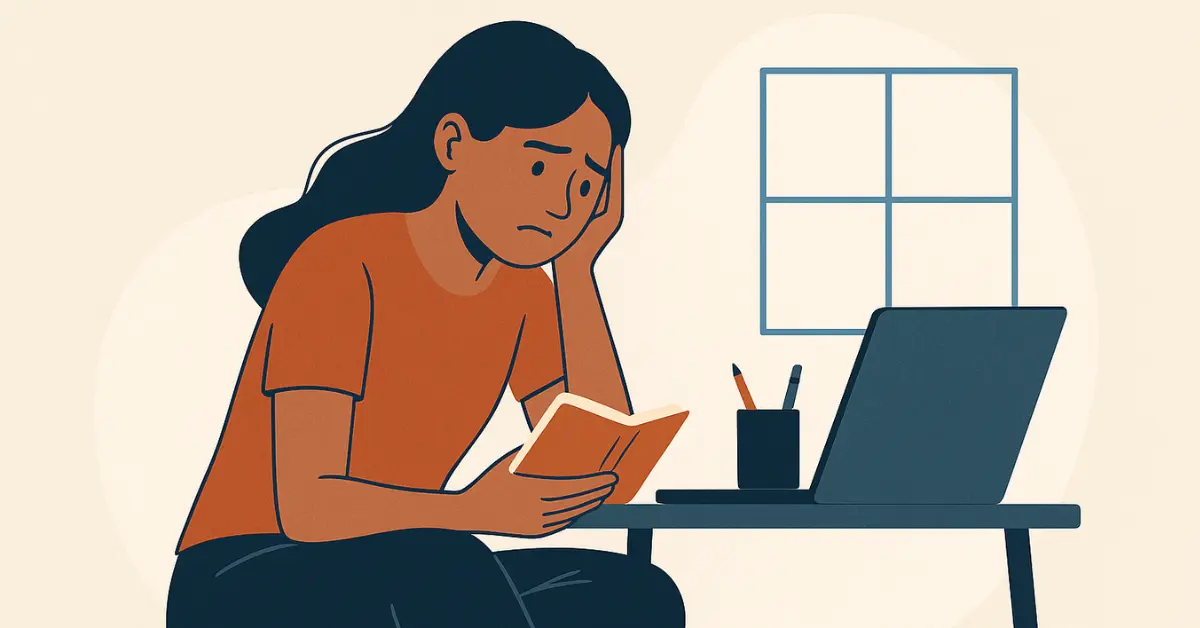
The impact of digital and remote learning on students has become a serious topic of discussion. Online classes, recorded lectures, learning apps, and virtual exams are now part of daily student life. While digital learning offers flexibility and access, it also brings hidden mental health challenges. Many students feel stressed, isolated, distracted, and mentally exhausted. The shift from classrooms to screens has changed how students learn, interact, and cope with pressure. Understanding the impact of digital and remote learning on students’ mental health is important for parents, teachers, and students themselves. This post explains the major challenges and offers practical solutions that help students protect their mental well-being while continuing their education online.
What Is Digital and Remote Learning
Digital and remote learning refers to education delivered through online platforms instead of physical classrooms. It includes live online classes, recorded video lessons, learning apps, digital assignments, and online exams. Students attend classes from home using phones, tablets, or laptops. This system became common during the pandemic and continues in blended and fully online formats. Digital learning saves travel time and gives access to global resources. However, its long-term mental health impact on students needs careful attention.
Why Mental Health Matters in Education
Mental health affects focus, memory, motivation, and confidence. A student under stress struggles to learn effectively. Anxiety reduces concentration. Depression lowers interest in studies. Emotional well-being directly impacts academic performance. When digital learning increases mental pressure, learning outcomes suffer. Addressing mental health is not optional. It is essential for sustainable education.
Career Guidance Job-Ready Skills Post Pandemic for Indian Youth

Positive Impact of Digital Learning on Students
Before discussing challenges, it is important to note the benefits.
Flexibility in learning
Digital learning allows students to study at their own pace. Recorded lectures help slow learners revise topics multiple times. This reduces academic pressure for some students.
Access to learning resources
Students gain access to online courses, tutorials, and global educators. This improves learning opportunities, especially in remote areas.
Comfort of home learning
Some students feel less anxious studying at home compared to crowded classrooms. This helps shy or introverted learners.
Skill development
Digital learning improves technical skills, self-learning ability, and adaptability. These skills help in future careers.
Despite these benefits, the mental health challenges remain significant.
Major Mental Health Challenges Faced by Students
The impact of digital and remote learning on students becomes concerning when challenges outweigh benefits.
Increased Screen Time and Mental Fatigue
Students spend long hours in front of screens. Online classes, assignments, and revision all require digital devices. Prolonged screen exposure causes eye strain, headaches, and mental fatigue. Constant notifications and digital overload reduce attention span. Mental exhaustion affects learning quality and emotional balance.
Social Isolation and Loneliness
Traditional classrooms provide social interaction. Online learning limits peer contact. Students miss group discussions, friendships, and classroom energy. Isolation leads to loneliness, sadness, and lack of motivation. Younger students and first-time online learners feel this more strongly.
Lack of Routine and Structure
Physical schools follow fixed schedules. Digital learning often lacks structure. Students wake up late, skip breaks, and study irregularly. Poor routines disturb sleep cycles and increase stress. Without discipline, students feel overwhelmed and lose control over time.
Academic Pressure and Performance Anxiety
Online assessments increase anxiety. Technical issues, time limits, and lack of clear instructions create fear. Students worry about internet failures during exams. Continuous assignments without clear boundaries increase academic pressure.
Reduced Physical Activity
Remote learning reduces movement. Students sit for long hours. Lack of physical activity affects mood and energy levels. Physical inactivity links directly to anxiety and depression.
Distractions and Reduced Focus
Home environments are full of distractions. Social media, gaming, and family noise interrupt studies. Constant multitasking reduces concentration and increases frustration. Students feel guilty for not focusing, which affects self-esteem.
Limited Emotional Support
Teachers find it harder to notice emotional struggles online. Students hesitate to express stress during virtual classes. This lack of emotional support worsens mental health issues.
Sleep Problems
Late-night screen use affects sleep quality. Irregular sleep patterns cause tiredness, irritability, and low motivation. Poor sleep directly impacts mental health.
Signs of Mental Health Struggles in Students
Recognizing early signs is important.
• Constant tiredness
• Irritability and mood swings
• Loss of interest in studies
• Anxiety before online classes or exams
• Poor sleep habits
• Social withdrawal
• Negative self-talk
Ignoring these signs can lead to serious mental health issues.
Impact on Different Age Groups
School students
Younger students struggle with attention and emotional expression. They need supervision and routine. Lack of playtime affects emotional growth.
College students
They face academic pressure, career uncertainty, and isolation. Remote learning increases stress about future jobs and skills.
Competitive exam aspirants
Online preparation increases pressure due to constant comparison and screen exposure. Mental burnout is common.
Long-Term Impact of Digital Learning on Mental Health
If unmanaged, prolonged digital learning can cause chronic stress, anxiety disorders, and reduced self-confidence. Students may develop unhealthy coping habits. Learning becomes a burden instead of growth. Addressing challenges early prevents long-term harm.
Practical Solutions for Students
Solutions focus on balance, routine, and support.
Create a Fixed Daily Routine
Students should follow a regular schedule. Wake up and sleep at fixed times. Allocate study hours, breaks, meals, and relaxation. Routine restores control and reduces anxiety.
Limit Screen Time
Avoid unnecessary screen use outside study hours. Use screen breaks every 45 minutes. Follow the 20-20-20 rule for eyes. Reduced digital exposure improves mental clarity.
Designate a Study Space
Create a quiet study area. Separate study space from rest space. This helps the brain focus and relax appropriately.
Stay Physically Active
Exercise daily. Simple activities like walking, stretching, or yoga improve mood. Physical movement reduces stress hormones naturally.
Stay Socially Connected
Talk to friends regularly. Join study groups. Participate in discussions. Social connection reduces loneliness and improves motivation.
Practice Mindfulness and Relaxation
Meditation, deep breathing, and journaling help manage stress. Even 10 minutes daily improves emotional balance.
Set Realistic Academic Goals
Avoid unrealistic expectations. Break tasks into small goals. Celebrate small achievements. This builds confidence.
Avoid Multitasking
Focus on one task at a time. Turn off notifications during study. Single-tasking improves learning and reduces frustration.
Seek Help When Needed
Students should talk to parents, teachers, or counselors. Seeking help is a strength, not weakness. Early support prevents serious issues.
Role of Parents in Supporting Mental Health
Parents play a key role.
• Encourage routine
• Monitor screen time
• Provide emotional support
• Avoid excessive pressure
• Encourage physical activity
A supportive home environment protects mental well-being.
Role of Teachers and Institutions
Educational institutions must adapt.
• Reduce excessive assignments
• Provide mental health awareness sessions
• Encourage interaction during online classes
• Offer counseling support
• Promote balanced learning
Education should support both learning and well-being.
How Students Can Balance Digital Learning and Mental Health
Balance is the solution. Digital learning is not harmful by itself. Poor management causes harm. Students who follow routines, limit screen time, stay active, and seek support can succeed academically without sacrificing mental health.
Future of Digital Learning and Mental Health
Digital learning will continue. Hybrid education models will grow. Mental health support must become part of education systems. Awareness, training, and support will help students adapt safely.
The impact of digital and remote learning on students is complex. While it offers flexibility and access, it also affects mental health through stress, isolation, and fatigue. Understanding these challenges helps students take control of their well-being. Simple habits, structured routines, social connection, and timely support can reduce negative effects. Digital learning should empower students, not exhaust them. When mental health is prioritized, learning becomes effective, balanced, and sustainable.
Career Guidance Job-Ready Skills Post Pandemic for Indian Youth
For more Click Here.